Monthly Archives: March 2020
Getting Schoolwork Done During this Global Crisis!

 Linda Karanzalis, MS
Linda Karanzalis, MS, is a former special education classroom teacher with over 25 years of experience in the areas of learning disabilities, ADHD, social-emotional learning, social skills training, and behavior management
ADHD and Exercise: How Activity Benefits NVLD and ADHD
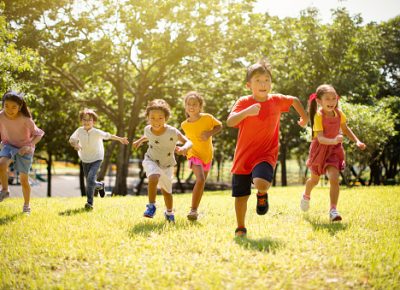
Let’s explore the links between ADHD and exercise and how activity can benefit ADHD, NVLD, and dyspraxia. Since individuals with ADHD have decreased dopamine levels, exercising can activate the brain’s release of neurotransmitters and dopamine, increasing attention and clear thinking.
WATCH VIDEO BELOW
For individuals with ADHD, losing weight and gaining muscle is an added bonus for people seeking mental clarity and focus. Working out can help reduce impulsive behavior, enhance working memory, executive functioning, the ability to retain details, and stay organized and focused. Individuals with ADHD lack the supply of a specialized protein, but it can be increased with exercise. There is research discussing the strong correlation between obesity and individuals with ADHD. Food is often used as a coping mechanism for social and educational struggles. Exercising is extremely beneficial to an individual with ADHD because it can increase dopamine levels, help maintain a healthy weight, improve mood and self esteem, and avoid the possibility of co-occurring conditions such as diabetes and heart disease.
For individuals with learning disabilities, working out at a gym or team sports can be difficult because of imapired visio-spatial abilities and inability to retain directions and focus. Even though it will not always be easy, pushing through situations of overstimulation can significantly improve mood, energy, learning, and decrease the possibility of meltdowns. School recess can be an amazing outlet for kids to release energy and find focus for classes for the rest of the day. It is extremely important for children with IEP’s and 504’s to have a recess included in their plan.
ADHD and Exercise: Implementing a Plan
What are the best exercises for individuals with ADHD, NVLD, and dyspraxia? For some people, team sports are a great outlet for physical activity and it is essential to expose your child as young as possible to this kind of social setting. It is harder to breakthrough and introduce a team activity the older that they get. For other people, isolated exercises work better for them to find mental clarity. Running on a treadmill or track, lifting weights, and slower pace activities are effective, independent activities that will benefit your focus and mood.
Improvement to visio-spatcial and hand-eye coordination can occur gradually. It’s very important to not put immense pressure on your child to excel in a team sport because it can bring anxiety and further stress for the child. Finding an activity that your child is comfortable participating in i54s the first step in helping them find clarity and improve self esteem.
Overall, creating a positive and uplifting environment for physical activity is an integral part of stress release and finding mental clarity for individuals ADHD, NVLD, and dyspraxia. Remember that is not always what you say to your child, it is also what they see. If your child sees you practicing self care, they will be more encouraged to participate and maybe even participate alongside you! Taking the time to release stress and boost dopamine levels is essential to living an anxiety-free life!
Subscribe to My YouTube Channel
Linda Karanzalis, MS
Linda Karanzalis, MS, is a former special education classroom teacher with over 25 years of experience in the areas of learning disabilities, ADHD, social-emotional learning, social skills training, and behavior management